Understanding the Basics of Bluffing
Bluffing is an essential strategy in poker, where a player attempts to convince opponents that their hand is stronger than it actually is. This tactic is particularly effective in games like Texas Hold’em, where the combination of hidden and community cards can significantly influence perceived hand strength. Players looking to improve their skills can find resources at alexandbeccrook.com , which offers insights into mastering bluffing and the psychology of your opponents, allowing you to exploit their tendencies and reactions to your bets.
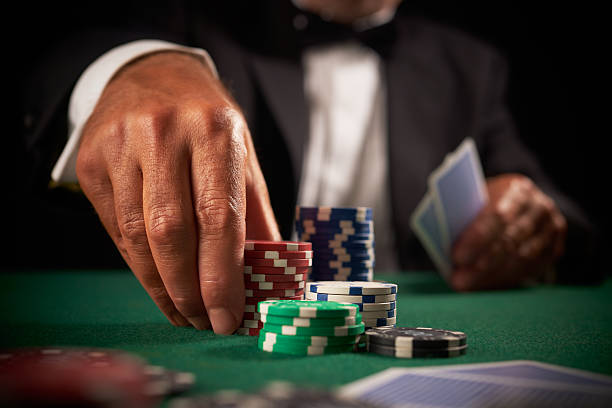
The foundation of a successful bluff lies in your ability to read the table. Observing the betting patterns and behaviors of your opponents can provide crucial insights into their potential hands. For example, if a player consistently folds to aggressive bets, it’s possible to capitalize on this tendency by bluffing in situations where you might not hold the strongest hand. On the flip side, identifying players who are more likely to call can help you decide when to sneak in a bluff or when to hold back.
Moreover, understanding the dynamics of the game is vital. The timing of your bluff can often dictate its success or failure. Bluffing on a later street, after the community cards have been revealed, may carry more weight than attempting a bluff early in the hand, when players are still likely to have strong hands. By recognizing the right moment to execute a bluff, you can significantly increase your chances of convincing opponents to fold their superior hands.
The Psychology of Bluffing
Psychological elements play a significant role in the effectiveness of bluffing. Every player has unique tendencies and emotional responses, which can influence their decision-making at the poker table. Understanding these psychological dynamics can empower you to craft a more successful bluff. For instance, if you notice a player becoming emotionally invested in the pot, it might be an opportunity to apply pressure through a well-timed bluff, as their emotions could cloud their judgment.
Reading body language is another crucial aspect of psychological bluffing. Subtle cues such as nervousness, hesitation, or even overconfidence can provide valuable information about an opponent’s mindset. For example, if a player fidgets or avoids eye contact after you make a substantial bet, they may be uncertain about their hand strength. By recognizing these tells, you can decide whether to bluff more aggressively or to retreat from the hand altogether.
It is also important to maintain a consistent demeanor while bluffing. If you usually exhibit particular behavior when holding strong cards, try to replicate this behavior even when you are bluffing. This can help you appear more credible, making opponents less likely to suspect that you are trying to deceive them. A well-crafted narrative, conveyed through your betting patterns and demeanor, can make your bluffs significantly more persuasive.
Choosing the Right Moments to Bluff
Timing is everything when it comes to successful bluffing. Knowing when to pull the trigger on a bluff can be the difference between a profitable play and a costly mistake. Generally, bluffing works best in situations where the board runs favorably for potential strong hands. For instance, if the community cards indicate possible straights or flushes, you may be able to convince your opponents that you have completed a strong hand when in reality, you haven’t.
Another moment to consider bluffing is when the table exhibits a playing style that aligns with your strategy. If players tend to play cautiously or are more risk-averse, they may fold more often when faced with a significant bet. This can be particularly advantageous if you establish a solid table image that suggests competence and confidence, making your bluffs more believable.
Lastly, consider your position at the table. Bluffing from a late position can yield better results because you have more information about your opponents’ actions. By waiting to see how they react before you make your move, you can craft a more effective bluff. In contrast, bluffing from an early position might make it harder to gauge your opponents’ strength, heavily relying on luck rather than strategy.
Common Mistakes to Avoid When Bluffing
Even seasoned players can fall victim to common pitfalls while bluffing. One significant mistake is over-bluffing; this occurs when players attempt to bluff too frequently, causing their opponents to catch on. A well-timed bluff should feel like a calculated risk rather than a desperate move. If players notice and start adjusting their behavior accordingly, your chances of success will diminish significantly, making it vital to choose your spots wisely.
Another mistake is failing to consider your table image. If you have been playing conservatively, a sudden aggressive bluff may raise suspicions among your opponents. Conversely, if you have been overly aggressive, a bluff may be less credible. Striking a balance and adjusting your approach based on how you are perceived is crucial in maintaining the element of surprise in your bluffing strategy.
Lastly, neglecting to analyze the size of your bet can also lead to unfavorable outcomes. A weak bet can signal to opponents that you are bluffing, while a bet that is too large may scare them into folding despite reasonable hand strength. Finding the right amount to bet—a figure that conveys strength without being overly obvious—is key. A well-measured bet can provoke thought and consideration from your opponents, increasing the chance that they will fold.
Resources for Improving Your Bluffing Skills
Improving your bluffing skills in poker requires a combination of study, practice, and reflection. One of the best ways to enhance your technique is by reviewing hand histories, whether from your own games or notable tournaments. Analyzing these situations can help identify successful bluffs and recognize areas for improvement. Many online forums and communities also provide resources, strategies, and discussions that can further enhance your understanding of bluffing tactics.
Engaging in practice sessions, whether online or in live settings, can also be beneficial. The more you play, the better you’ll become at recognizing patterns and controlling your bluffing strategy. Participating in friendly games allows you to experiment with bluffing without the pressure of significant financial stakes, giving you the opportunity to develop your skills and refine your technique in a relaxed atmosphere.
Lastly, consider seeking out books and online courses that focus specifically on poker strategy, including bluffing. Many successful professional players share their insights through additional materials, which can provide valuable tips and tricks for mastering the art of bluffing. By being proactive in your learning, you can continually enhance your skills and approach at the poker table.
